Telegram Widgets: Kaspersky Warns, Durov Disputes
Kaspersky suspects Telegram's new widgets were used to deliver WebRAT. Researchers demoed RCE, Telegram disputes it. What to do until a fix lands.
 Marisol "Fuse" Delgado
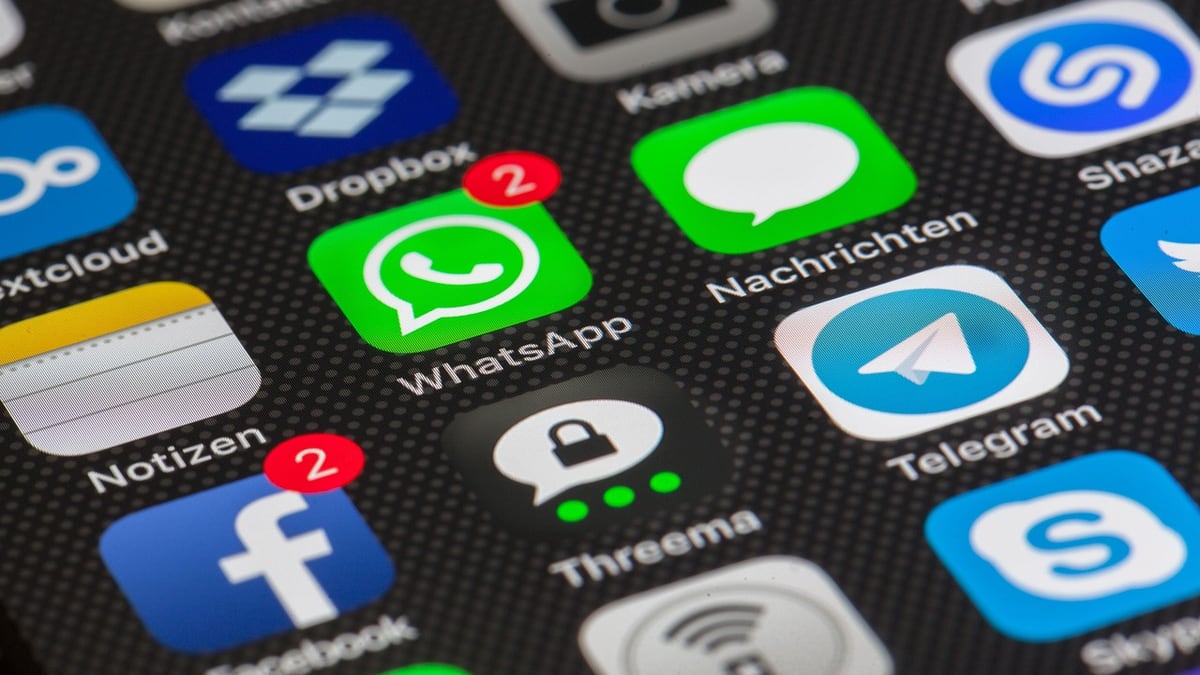
What changed: Kaspersky says a flaw in Telegram’s newly launched widgets may have been exploited in the wild to deliver the WebRAT malware. Telegram disputes the severity. No CVE has been assigned in the reporting we reviewed.
What to do now: Kaspersky’s own advice is blunt: do not launch widgets in Telegram until a fix is released. That costs you almost nothing, so do it. If you manage a fleet, tell staff the same thing and keep Telegram desktop clients current.
What is claimed, and by whom
Per SecurityWeek’s report, Kaspersky said in a November 13 post on its Russian-language Telegram channel that it saw malicious activity it suspects is tied to the widgets flaw. According to the firm, exploitation happened when users visited certain Telegram channels. The activity ran a PowerShell script without the user’s knowledge, which fetched and launched WebRAT, also known as Salat Stealer. WebRAT is a Rust-based trojan that gives attackers control of the machine and can steal cryptocurrency wallet and Telegram account data.
Kaspersky did not share technical details or say how many users were targeted. Treat “suspects” as the operative word.
The disputed part
Telegram CEO Pavel Durov promoted widgets on November 10. A day later, researchers at V12 posted a video showing a bot interaction opening the Calculator app on an Android phone, captioned “Any telegram message can now become RCE.” Telegram replied that the Android issue was fixed and the fix deployed to all users that day. V12 then said it had a second RCE that worked against the supposedly patched Windows client. Their argument is that running the QuickJS JavaScript engine inside messages without a sandbox creates a large attack surface.
Durov rejected the reports on November 13, writing that “No one could be hacked just by receiving a message.” He said an attack required the user to first start a third-party service, and that this scenario has been fully patched server side.
Both accounts are unverified by us. Kaspersky’s observed activity and V12’s demos are separate claims, and the reporting does not tie them together.
Priority call
- Do now: avoid launching widgets, and do not open widget prompts from unfamiliar bots or channels.
- Do now: update Telegram on every platform, since the Android fix was pushed within a day.
- Watch for: a vendor advisory or CVE. Until one exists, there is no patched-version number to enforce.
- Hunt, if you run endpoint tooling: PowerShell launched as a child of the Telegram process on Windows is worth an alert regardless of how this dispute resolves.
Analysis: the sandboxing question matters more than who wins the argument. A feature that runs third-party code inside a chat client will keep producing reports like this, so disabling it for high-value users is a reasonable standing policy.
Related reading: Flying Eagle Android RAT and the Telegram leak and Redwing Android MaaS and Telegram. Browse more in the mobile hub.
Found this useful? Share it.