Fortinet
Vulnerabilities in FortiOS, FortiGate, and FortiProxy — the firewall and SSL-VPN appliances that sit at the network edge, making a single auth-bypass or overflow bug a direct path to full network compromise.
Fortinet FortiMail Path Traversal Vulnerability
Fortinet FortiMail contains a path traversal and an improper neutralization of NULL byte or NULL character vulnerability that may allow an unauthenticated attacker to write arbitrary files on the underlying system via crafted HTTP or HTTPS requests.
Fortinet Multiple Products Heap-based Buffer Overflow Vulnerability
CVSS 8.1 heap overflow in FortiOS, FortiSwitchManager, and FortiSASE allows code execution via crafted packets. Actively exploited in PivotC2 RAT attacks; patched January 2026.
FortiWeb Authentication Bypass Allows Unauthenticated Login
An improper authentication flaw in FortiWeb lets remote unauthenticated attackers log in with any credentials. Affects versions 7.0.x through 8.0.x; patch available.
FortiManager Authentication Bypass via Alternate Path
Authentication bypass in FortiManager 7.2.5 through 7.6.1 (and cloud variants) allows unauthorized access to the central management plane. CVSS 8.1, patch available.
Fortinet FortiSandbox unauthenticated OS command injection (4.2, 4.4, 5.0, Cloud, PaaS)
An unauthenticated OS command injection across FortiSandbox 4.2, 4.4, 5.0, plus FortiSandbox Cloud and PaaS 5.0 lets a network attacker run arbitrary commands via crafted HTTP requests. CVSS 9.8; CISA-listed KEV.
Fortinet FortiSandbox unauthenticated OS command injection (4.4 branch and PaaS)
An unauthenticated OS command injection in Fortinet FortiSandbox 4.4.0–4.4.8 and a range of FortiSandbox PaaS builds lets a network attacker run arbitrary commands via crafted HTTP requests. CVSS 9.8; CISA-listed KEV.
Fortinet FortiClient EMS SQL Injection Vulnerability
Fortinet FortiClient EMS contains a SQL injection vulnerability that may allow an unauthenticated attacker to execute unauthorized code or commands via specifically crafted HTTP requests.
Fortinet FortiClient EMS Improper Access Control Vulnerability
Fortinet FortiClient EMS contains an improper access control vulnerability that may allow an unauthenticated attacker to execute unauthorized code or commands via crafted requests.
FortiOS patch bypass re-enables symbolic link persistence on compromised devices
FortiOS 7.0–7.6 patch bypass restores symbolic link persistence on already-compromised devices via crafted HTTP requests. Added to CISA KEV July 2026.
Fortinet Multiple Products Authentication Bypass Using an Alternate Path or Channel Vulnerability
Fortinet FortiAnalyzer, FortiManager, FortiOS, and FortiProxy contain an authentication bypass using an alternate path or channel that could allow an attacker with a FortiCloud account and a registered device to log into other devices registered to other accounts, if FortiCloud SSO authentication is enabled on those devices.
Fortinet Multiple Products Improper Verification of Cryptographic Signature Vulnerability
Fortinet FortiOS, FortiSwitchMaster, FortiProxy, and FortiWeb contain an improper verification of cryptographic signature vulnerability that may allow an unauthenticated attacker to bypass the FortiCloud SSO login authentication via a crafted SAML message. Please be aware that CVE-2025-59719 pertains to the same problem and is mentioned in the same vendor advisory. Ensure to apply all patches mentioned in the advisory.
Fortinet FortiWeb OS Command Injection Vulnerability
Fortinet FortiWeb contains an OS command Injection vulnerability that may allow an authenticated attacker to execute unauthorized code on the underlying system via crafted HTTP requests or CLI commands.
Fortinet FortiWeb Path Traversal Vulnerability
Fortinet FortiWeb contains a relative path traversal vulnerability that may allow an unauthenticated attacker to execute administrative commands on the system via crafted HTTP or HTTPS requests.
Fortinet FortiWeb SQL Injection Vulnerability
Fortinet FortiWeb contains a SQL injection vulnerability that may allow an unauthenticated attacker to execute unauthorized SQL code or commands via crafted HTTP or HTTPs requests.
Fortinet FortiOS Use of Hard-Coded Credentials Vulnerability
Fortinet FortiOS contains a use of hard-coded credentials vulnerability that could allow an attacker to cipher sensitive data in FortiOS configuration backup file via knowledge of the hard-coded key.
Fortinet Multiple Products Stack-Based Buffer Overflow Vulnerability
Fortinet FortiFone, FortiVoice, FortiNDR and FortiMail contain a stack-based overflow vulnerability that may allow a remote unauthenticated attacker to execute arbitrary code or commands via crafted HTTP requests.
Fortinet FortiOS and FortiProxy Authentication Bypass Vulnerability
Fortinet FortiOS and FortiProxy contain an authentication bypass vulnerability that allows a remote attacker to gain super-admin privileges via crafted CSF proxy requests.
Fortinet FortiOS and FortiProxy Authentication Bypass Vulnerability
Fortinet FortiOS and FortiProxy contain an authentication bypass vulnerability that may allow an unauthenticated, remote attacker to gain super-admin privileges via crafted requests to Node.js websocket module.
Fortinet FortiManager Missing Authentication Vulnerability
Fortinet FortiManager contains a missing authentication vulnerability in the fgfmd daemon that allows a remote, unauthenticated attacker to execute arbitrary code or commands via specially crafted requests.
Fortinet Multiple Products Format String Vulnerability
Fortinet FortiOS, FortiPAM, FortiProxy, and FortiWeb contain a format string vulnerability that allows a remote, unauthenticated attacker to execute arbitrary code or commands via specially crafted requests.
Fortinet FortiClient EMS SQL Injection Vulnerability
Fortinet FortiClient EMS contains a SQL injection vulnerability that allows an unauthenticated attacker to execute commands as SYSTEM via specifically crafted requests.
Fortinet FortiOS Out-of-Bound Write Vulnerability
Fortinet FortiOS contains an out-of-bound write vulnerability that allows a remote unauthenticated attacker to execute code or commands via specially crafted HTTP requests.
Fortinet FortiOS and FortiProxy SSL-VPN Heap-Based Buffer Overflow Vulnerability
Fortinet FortiOS and FortiProxy SSL-VPN contain a heap-based buffer overflow vulnerability which can allow an unauthenticated, remote attacker to execute code or commands via specifically crafted requests.
Fortinet FortiOS Path Traversal Vulnerability
Fortinet FortiOS contains a path traversal vulnerability that may allow a local privileged attacker to read and write files via crafted CLI commands.
Fortinet FortiOS Heap-Based Buffer Overflow Vulnerability
Multiple versions of Fortinet FortiOS SSL-VPN contain a heap-based buffer overflow vulnerability which can allow an unauthenticated, remote attacker to execute arbitrary code or commands via specifically crafted requests.
FortiOS / FortiProxy Authentication Bypass on Administrative Interface
An authentication-bypass vulnerability in FortiOS, FortiProxy, and FortiSwitchManager allows a remote attacker to perform administrative operations on the management interface via crafted HTTP(S) requests, including adding a new administrator SSH key for persistent access.
Fortinet FortiOS and FortiADC Improper Access Control Vulnerability
Fortinet FortiOS and FortiADC contain an improper access control vulnerability that allows attackers to obtain the LDAP server login credentials configured in FortiGate by pointing a LDAP server connectivity test request to a rogue LDAP server.
Fortinet FortiOS and FortiProxy Improper Authorization
An Improper Authorization vulnerability in Fortinet FortiOS and FortiProxy under SSL VPN web portal allows an unauthenticated attacker to modify the password.
Fortinet FortiOS and FortiProxy Out-of-bounds Write
A heap buffer overflow in Fortinet FortiOS and FortiProxy may cause the SSL VPN web service termination for logged in users.
Fortinet FortiOS Arbitrary File Download
Fortinet FortiOS "execute restore src-vis" downloads code without integrity checking, allowing an attacker to arbitrarily download files.
Fortinet FortiOS SSL VPN Path Traversal Vulnerability
Fortinet FortiOS SSL VPN web portal contains a path traversal vulnerability that may allow an unauthenticated attacker to download FortiOS system files through specially crafted HTTP resource requests.
Fortinet FortiOS Default Configuration Vulnerability
Fortinet FortiOS contains a default configuration vulnerability that may allow an unauthenticated attacker on the same subnet to intercept sensitive information by impersonating the Lightweight Directory Access Protocol (LDAP) server.
Fortinet FortiOS SSL VPN Improper Authentication Vulnerability
Fortinet FortiOS SSL VPN contains an improper authentication vulnerability that may allow a user to login successfully without being prompted for the second factor of authentication (FortiToken) if they change the case in their username.

Fortinet Flaw CVE-2025-25249 Used in PivotC2 RAT Attacks
CVSS 8.1 heap overflow in FortiOS is exploited with PivotC2 RAT. January 2026 patch available; CISA BOD 26-04 deadline for federal agencies is September 12.

Fortinet Patches Critical FortiWeb Auth Bypass, CVSS 9.8
CVE-2026-26035 in FortiWeb lets unauthenticated attackers log in with any credentials — CVSS 9.8. FortiManager also gets a CVSS 8.1 auth bypass fix this cycle.

Fortinet FortiOS Persistence Bypass Added to CISA KEV
CISA added CVE-2025-68686 to KEV today — a FortiOS patch bypass that lets attackers restore persistence after an initial compromise. Affects 7.0 through 7.6.
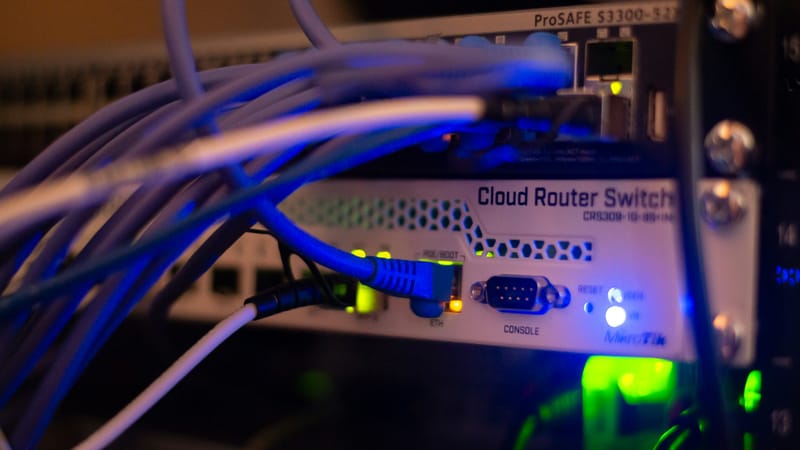
FortiSandbox: two 9.8 unauth RCEs hit KEV, Sunday deadline
CISA added CVE-2026-39808 and CVE-2026-25089 to KEV today — unauthenticated OS command injection in Fortinet FortiSandbox, CVSS 9.8 each, federal BOD 26-04 deadline this Sunday.
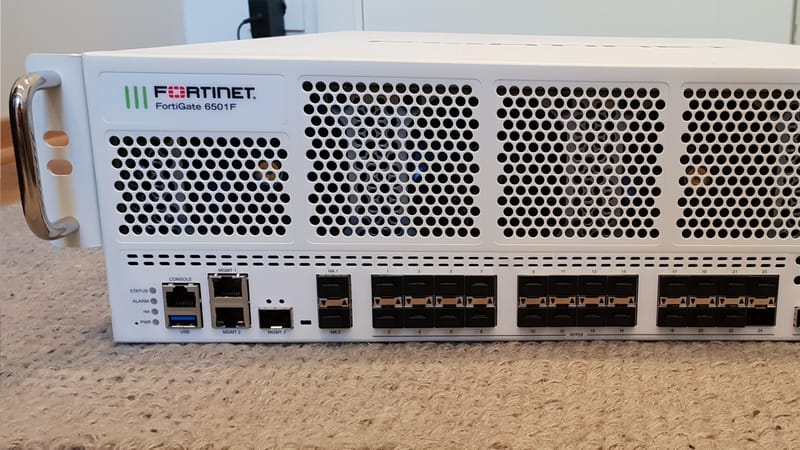
FortiOS Auth Bypass: Fortinet Warned Select Customers
CVE-2022-40684 let attackers bypass authentication on FortiOS and FortiProxy management interfaces and plant persistent SSH keys — Fortinet quietly warned targeted customers before public disclosure.