Flipper Zero Firmware Goes Maintenance-Only
Flipper Devices says the Flipper Zero firmware is stable at 1.0 and full-time feature work is over. Community PRs run the future, filtered through GitHub Discussions voting and stricter review. Here's what changes.
 Marisol "Fuse" Delgado
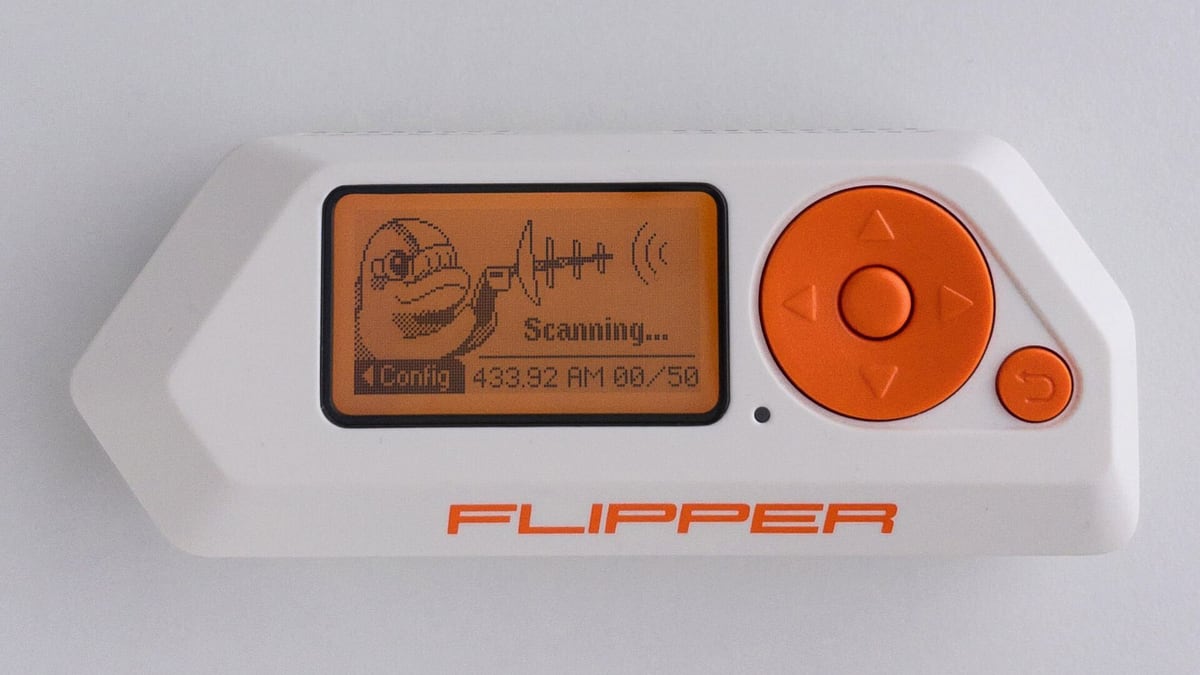
Flipper Devices said on the company blog, and BleepingComputer picked up on July 5, that the Flipper Zero firmware is moving to a maintenance-and-community model. Firmware 1.0 shipped in September 2024, the latest stable release is 1.4.3 from December 2025, and the internal team is stepping back from full-time feature development to concentrate on new devices. That is the news. If you use a Flipper on engagements or in a home lab, here is the honest timeline for what that means.
What changed
- No more full-time feature work. Flipper Devices commits to fixing critical bugs and keeping the infrastructure alive. Anything else lives or dies on community contributions.
- All development communication moves to GitHub Discussions. Real-time chat with the team is over. Discord, Reddit, and social channels are for general user help, not for reaching engineering. Direct messages on social are disabled.
- Feature requests go through a voting queue. Highest-voted proposals get reviewed weekly. Requests have to follow the template and be concrete — no wishlists.
- Stricter PR review. AI-generated code touching low-level libraries gets extra scrutiny. UI changes require documentation updates. Everything must pass the integration and regression test suites, which are now public and open to the community.
- BadUSB, Sub-GHz, RFID, iButton, NFC, IR — every module you already use — remains in the firmware and remains maintained at bug-fix level. The announcement is about what is next, not about deprecating what is there.
Rationale from Flipper’s post: with over a million users, the company said it can no longer sustain direct real-time communication with individual requesters and needs to distinguish genuine community demand from noise while it puts hours into new hardware.
What it means for your workflow
Three buckets.
Red team / pentest. If your engagement plan assumed a specific Flipper feature would ship in the next release, delete that assumption. The honest timeline is now “when the community writes it and it passes regression testing.” That could be one week, could be never. Plan against 1.4.3 as your feature ceiling and treat anything beyond it as bonus.
Detection engineering. No change to what you are chasing. Flipper Zero does not throw a new signature just because upstream slows down. The rogue-BLE, sub-GHz replay, and NFC-clone traces your rules already catch keep looking the same.
Home lab / hobbyist. Also basically fine. Critical bug fixes still land. If you were counting on a feature you saw in a community fork rather than the mainline, that path is exactly where it was — the fork ecosystem has been the actual home of hobbyist experimentation for a while, and Flipper Devices formalizing a community model does not change that calculus.
The part I keep re-reading
Flipper’s PR-review section calls out AI-generated code as needing “heightened scrutiny” when it touches low-level libraries. That is exactly the right call for a firmware project. The class of bug that hits embedded stacks — memory corruption in radio drivers, off-by-one in packet handlers, subtle lifetime bugs in DMA paths — is not something an LLM reliably catches by squinting at it, and it is not something you want shipping in a device with a million-plus users doing whatever they want in the RF spectrum. Nice to see it named in the policy explicitly instead of pretending the problem does not exist.
Priority call
If you rely on Flipper Zero as tooling: stay on 1.4.3, watch the community forks and the official release channel for critical fixes, and drop any roadmap assumptions past what is already shipped. If you were making product decisions around a specific Flipper feature landing — stop.
—Fuse
Found this useful? Share it.